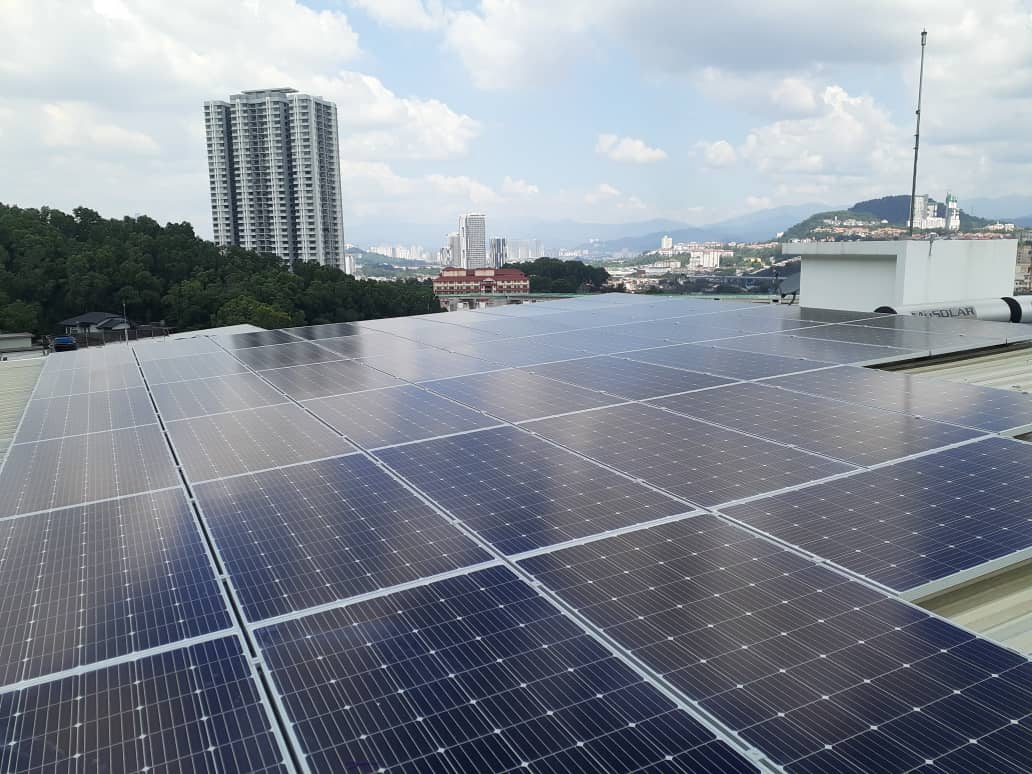
Solar ATAP

Introduction of Solar ATAP


The Solar Accelerated Transition Action Programme (Solar ATAP) is a government initiative aimed at maximising the utilisation of rooftop spaces for solar renewable energy generation. Solar ATAP succeeds the Net Energy Metering (NEM) Programme, which concluded in June 2025.

The programme retains the core principles of NEM, permitting excess solar energy to be exported to the grid as an energy offset, with enhanced features to improve its attractiveness relative to the Solar for Self-Consumption (SelCo) Programme. Excess exported energy shall be subject to a prescribed offset rate.

Solar PV installation capacity under Solar ATAP shall be capped at 100% of the consumer’s maximum demand or 1 MW, whichever is lower.

The programme is administered by the Ministry of Energy Transition and Water Transformation (PETRA), regulated by the Energy Commission (EC), and implemented by the Sustainable Energy Development Authority (SEDA) Malaysia.

What Solar ATAP means for you


  • Energy offset based on Energy Charge rate for Domestic, and System Marginal Price (SMP) for Non-domestic.
  • Domestic category entitled to install up to 5kW for single phase and up to 15kW for three phase; if more than that is required, you must apply for Connection Confirmation Checking (CCC).
  • Non-domestic installations exceeding 72 kW of installed capacity are required to apply for a Connection Assessment Study (CAS).
  • Exported Energy, up to the Maximum Allowable Quantity (MAQ), may be offset within the same Billing Period only. Any unutilized Exported Energy shall lapse and shall not be carried forward.
  • 10-Year Contract: The period for receiving bill offsets for excess solar energy exported to the grid is strictly limited to 10 years from the Commencement Date.

How Solar ATAP works


Solar ATAP is designed for customers who want to maximise the value of their rooftop solar by allowing excess energy (energy you do not use instantly) to be exported to the grid and then used as an offset on your electricity bill — subject to the programme’s rules, offset rate, and technical limits.

In practice, your solar system will first power your home or facility in real time. When generation is higher than your usage (for example, during midday), the surplus can flow out to the grid. That exported amount is then calculated as an offset within the same billing period, up to the programme’s Maximum Allowable Quantity (MAQ). Any exported energy that is not used for offset within the same billing period will lapse.

Solar ATAP keeps the familiar net-metering concept while enhancing its attractiveness relative to Solar for Self-Consumption (SelCo), especially for sites where daytime generation may sometimes exceed load.
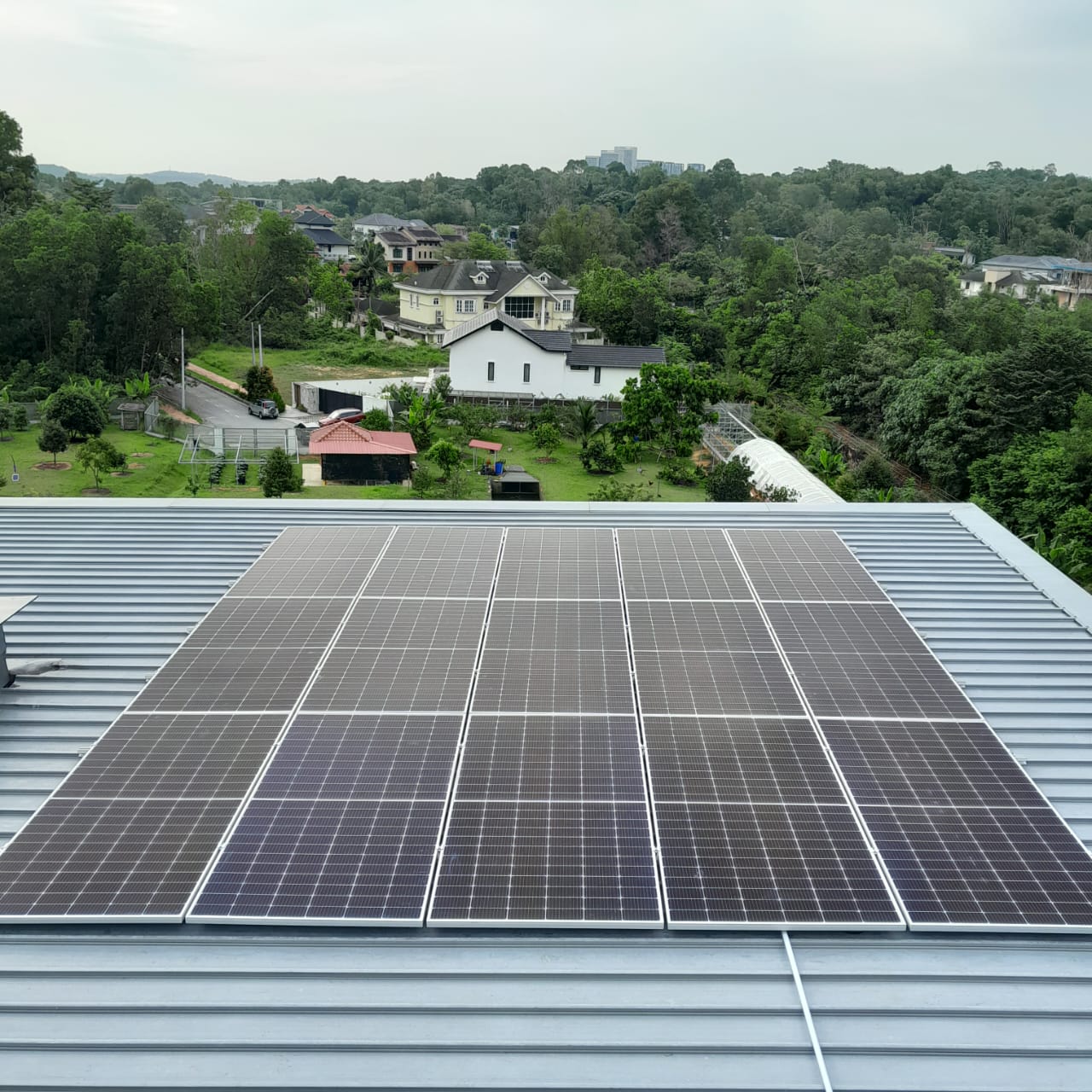
Capacity limits and technical checks


Solar ATAP sizing is governed by a cap of 100% of your maximum demand or 1 MW, whichever is lower. This cap exists to help keep installations aligned with the consumer’s demand profile and local network capability.

Depending on your category and system size, a technical check may be required before approval:

  • Domestic: up to 5 kW (single phase) or 15 kW (three phase). If you need more than the stated limit, you must apply for Connection Confirmation Checking (CCC).
  • Non-domestic: if the installation exceeds 72 kW, a Connection Assessment Study (CAS) is required.

These checks help confirm that the existing connection and local network can safely accommodate the proposed solar export.

Typical application journey


  1. Site assessment: review your roof space, shading, structural considerations, and available electrical capacity.
  2. System sizing: design the PV capacity based on your demand profile and Solar ATAP limits.
  3. Technical requirement check: determine whether CCC (Domestic) or CAS (Non-domestic) applies.
  4. Submission & approval: prepare and submit the required documents through the relevant authorities/process.
  5. Installation & commissioning: install the PV system, complete testing, and begin the Solar ATAP contract period.

Once commenced, the bill offset period for exported energy is strictly limited to a 10-year contract from the Commencement Date.

INVESTMENT TAX ALLOWANCE (ITA)


Investment Tax Allowance (ITA) of 60% of qualifying capital expenditure incurred on a green technology project from the year of assessment 2014 (date on which the first qualifying capital expenditure incurred is not earlier than 1 January 2014) until the year of assessment 2024. The allowance can be offset against 70% of statutory income in the year of assessment. Un-utilized allowances can be carried forward until they are fully absorbed.

Green technology project related to renewable energy, energy efficiency, green building, green data center, and waste management can qualify for this tax incentive.

Applications received by 31 December 2026 are eligible for this incentive. Applications should be submitted to MGTC.